18 Aug 2026
Gold Detector vs Metal Detector: VLF vs Pulse Induction Explained
How does a gold detector work, and how is it different from a normal metal detector? A plain-English guide to VLF vs pulse induction technology.
Customers often assume a "gold detector" is just a metal detector with a different name. In reality the two use different technology for different targets.
How does a gold detector work?
Every detector sends a magnetic field into the ground from its search coil. When that field meets metal, it creates tiny electrical currents (eddy currents) in the object, and those currents send back a weak magnetic signal of their own. The detector’s receiver picks up that returning signal and turns it into a tone. What separates one detector from another is how it transmits the field and how it reads the signal that comes back — and that is where VLF and pulse induction differ.
General metal detectors (VLF)
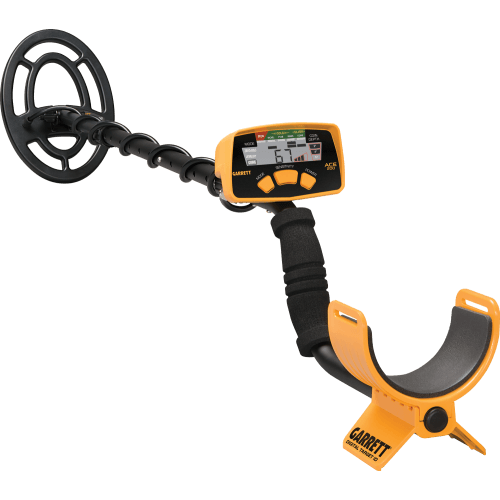
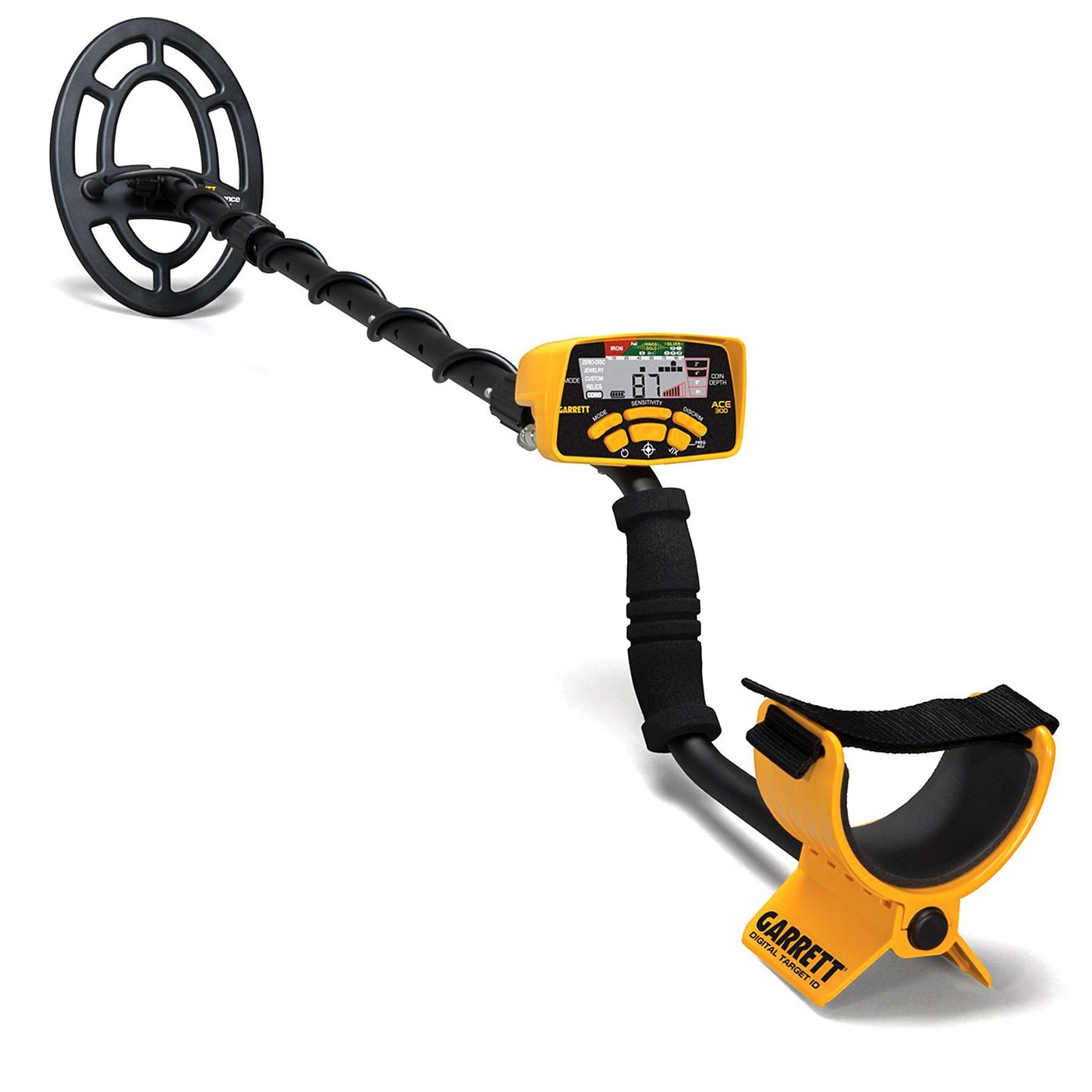
Most everyday detectors use VLF (Very Low Frequency) technology. They transmit a continuous signal and measure how the returning signal is shifted. That shift tells the detector roughly what kind of metal it is looking at, which lets it separate junk (bottle caps, nails, foil) from valuable targets using discrimination — useful for coins, jewellery and relics in parks and fields.
Dedicated gold detectors (PI and high-frequency VLF)
Gold nuggets are often tiny and found in mineralised, iron-rich soil that confuses a standard VLF machine. Dedicated gold detectors take one of two routes. High-frequency VLF machines (the Nokta Gold Kruzer and Minelab Gold Monster 1000, for example) run at much higher frequencies than a coin detector, which makes them far more sensitive to small, low-conductive gold. Pulse Induction (PI) machines such as the Minelab GPX 6000 send short, powerful pulses and listen to how the signal fades after each one — an approach that largely ignores ground mineralisation and reaches bigger nuggets at greater depth.
VLF vs pulse induction: quick comparison
| VLF | Pulse induction (PI) | |
|---|---|---|
| How it transmits | Continuous signal | Short, powerful pulses |
| Mineralised / rocky ground | Struggles unless well ground-balanced | Handles it well |
| Tells junk from good targets | Yes — good discrimination | Limited — you dig more junk |
| Best for | Coins, relics, jewellery; small gold (high-frequency models) | Gold nuggets at depth, beaches, hot ground |
| Weight and price | Lighter, more affordable | Heavier, more expensive |
Which one do you need?
- Coins, relics, jewellery in parks and old sites → a general-purpose VLF detector.
- Small gold in streams or shallow ground on a moderate budget → a high-frequency VLF gold machine.
- Gold nuggets in mineralised hill ground or at depth → a dedicated PI gold detector.
- Both, and a bigger budget → multi-frequency machines (like Minelab’s Equinox range) handle general hunting well and cope better with mild mineralisation than a basic VLF unit, though they still won’t match a dedicated PI machine for serious gold prospecting.
Tell us what you’re actually searching for and where — that’s a five-minute WhatsApp conversation that saves you from buying the wrong machine.
Models in this guide
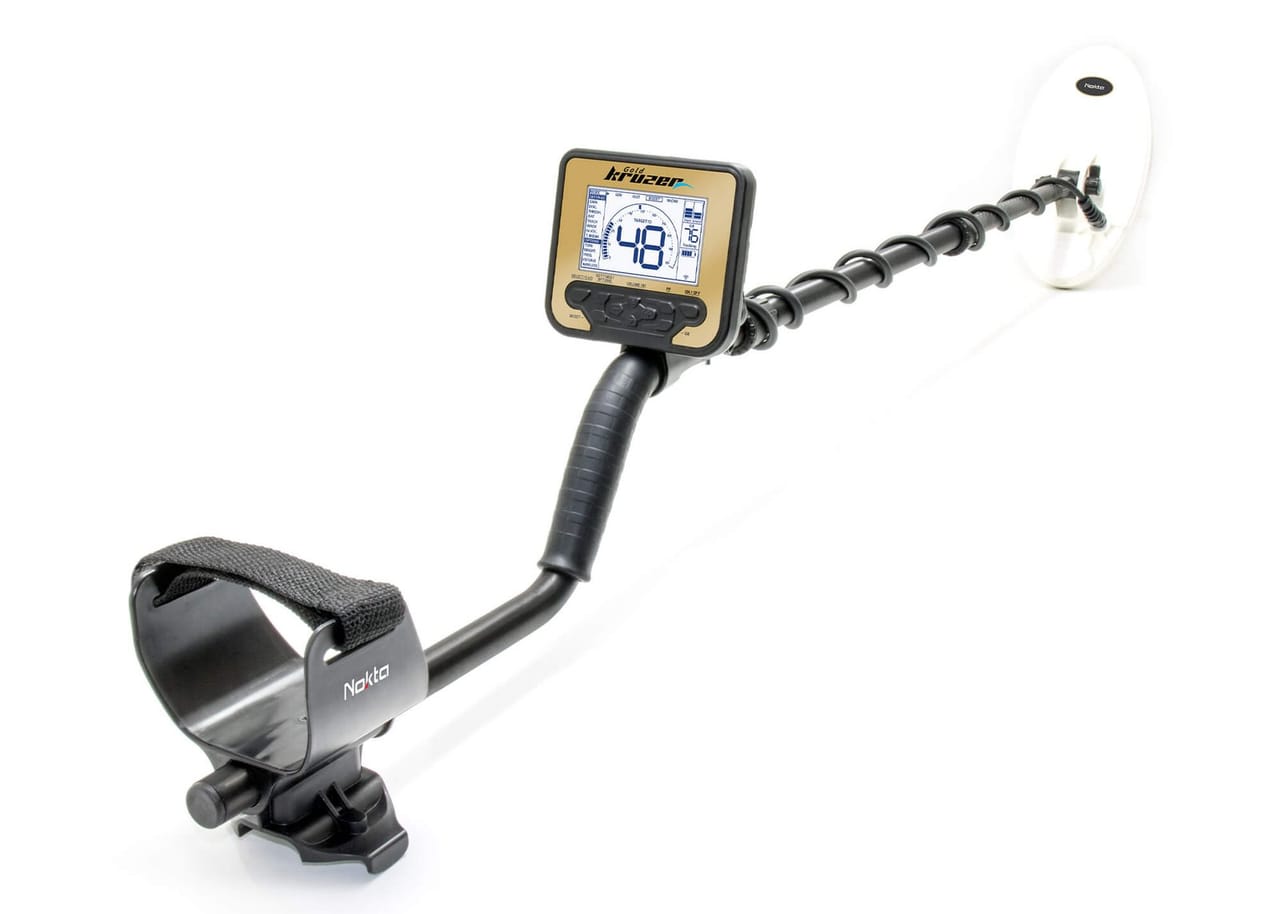
A high-frequency Nokta VLF built for micro gold and jewelry.
PKR 295,000
Easy-to-use 45 kHz gold prospector for small nuggets, light enough for long hill walks
PKR 925,000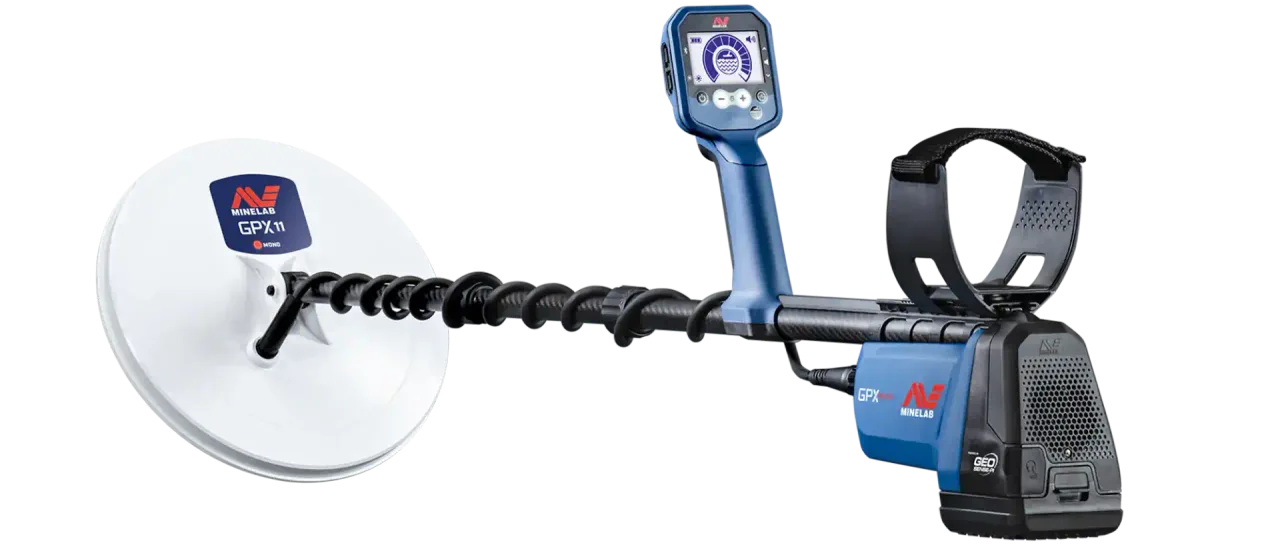
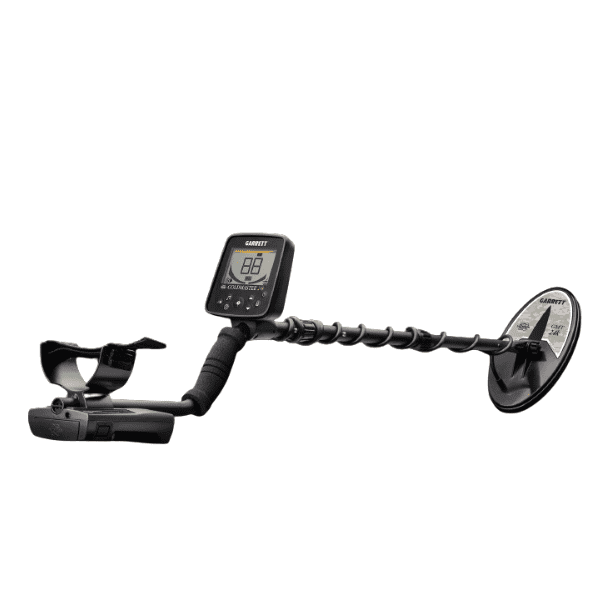
Lightweight pulse induction gold detector with two coils and Bluetooth audio for rough ground
PKR 3,795,000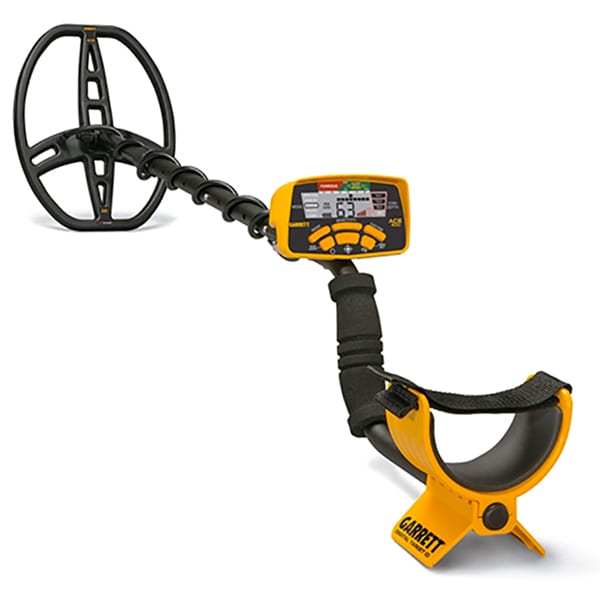
A trusted Garrett VLF for coin, relic and jewelry hunting.
PKR 325,000